A client appreciation dinner gives a company time to acknowledge the people behind its business relationships. The quality of that time depends on the care taken before anyone sits down.
Guests need to understand why they have been invited, feel comfortable in the setting and have someone who is clearly hosting them. The menu, room and design should support those intentions throughout the evening.
Whether you are bringing clients together in Chicago or hosting a smaller dinner around a conference or company milestone, begin with the relationship you want to honor.
Define who the evening is for
Be specific about the guest group and the reason for gathering. Are you thanking longstanding clients, recognizing a shared milestone or creating time for clients and leadership to connect?
That purpose should guide the size and format. A small dinner may allow each guest to spend meaningful time with a host. A larger gathering can create introductions across a community, provided there are enough company representatives to make those introductions thoughtfully.
Discuss the invitation list with the people who know the relationships. Consider whether guests will attend alone or with a partner, who already knows one another and whether some guests would prefer a more private setting. Confirm any applicable company requirements before invitations or gifts are approved.
Choose a room that supports conversation
Evaluate a venue at the time of day you intend to host. Ask about sound from adjacent spaces, privacy, seating comfort, lighting and the amount of room available once the tables are set.
A beautiful private room can still be difficult for conversation if music competes with the table or service requires constant interruption. Ask the venue to explain how the evening would operate, including arrivals, drinks, dinner and departure.
For a Chicago dinner, consider the journey into the venue. Clear entrance directions, transportation information, coat check and an accessible route help guests arrive comfortably. For traveling clients, check the location against their hotel and other commitments.
Agree on the complete venue requirements before committing, including minimum spend, room rental, service charges, taxes, equipment and access for setup and removal.
Make the invitation personal and useful
Explain the occasion in language that makes the invitation feel considered. Include the date, arrival time, location, expected end time, dress guidance when useful and the person to contact with questions.
Request dietary and accessibility needs discreetly. Confirm how this information will reach the people who need it for service. A guest should not have to explain the same requirement repeatedly on arrival.
Give someone responsibility for responses, changes and the final guest list. If an executive is extending the invitation, establish who will handle the practical follow-up so the guest receives consistent information.
Plan the seating and the hosting together
Place company hosts with intention. Consider who has a relationship with each guest and who can help people feel included in the conversation.
Balance familiar connections with relevant introductions. Review names, titles and pronunciations with the hosting team. Give hosts a concise briefing on the occasion and any appropriate context they need, without circulating unnecessary personal information.
Someone should greet guests, make introductions and notice when a person is standing alone. These responsibilities are easier to fulfill when they are assigned before the room fills.
Give dinner a comfortable rhythm
Allow time for arrival and conversation before inviting guests to sit. Coordinate the welcome, any brief remarks and food service so they work together.
A specific expression of thanks can be enough. If speeches are planned, decide who will speak, what they need to convey and how long the program should last. Share the timing with catering and the production team.
Choose a menu that suits the group and the time available. Discuss dietary alternatives, service style and the pacing of courses. Leave enough space after dinner for guests to continue a conversation without feeling obliged to stay indefinitely.
Let thoughtful details carry the occasion
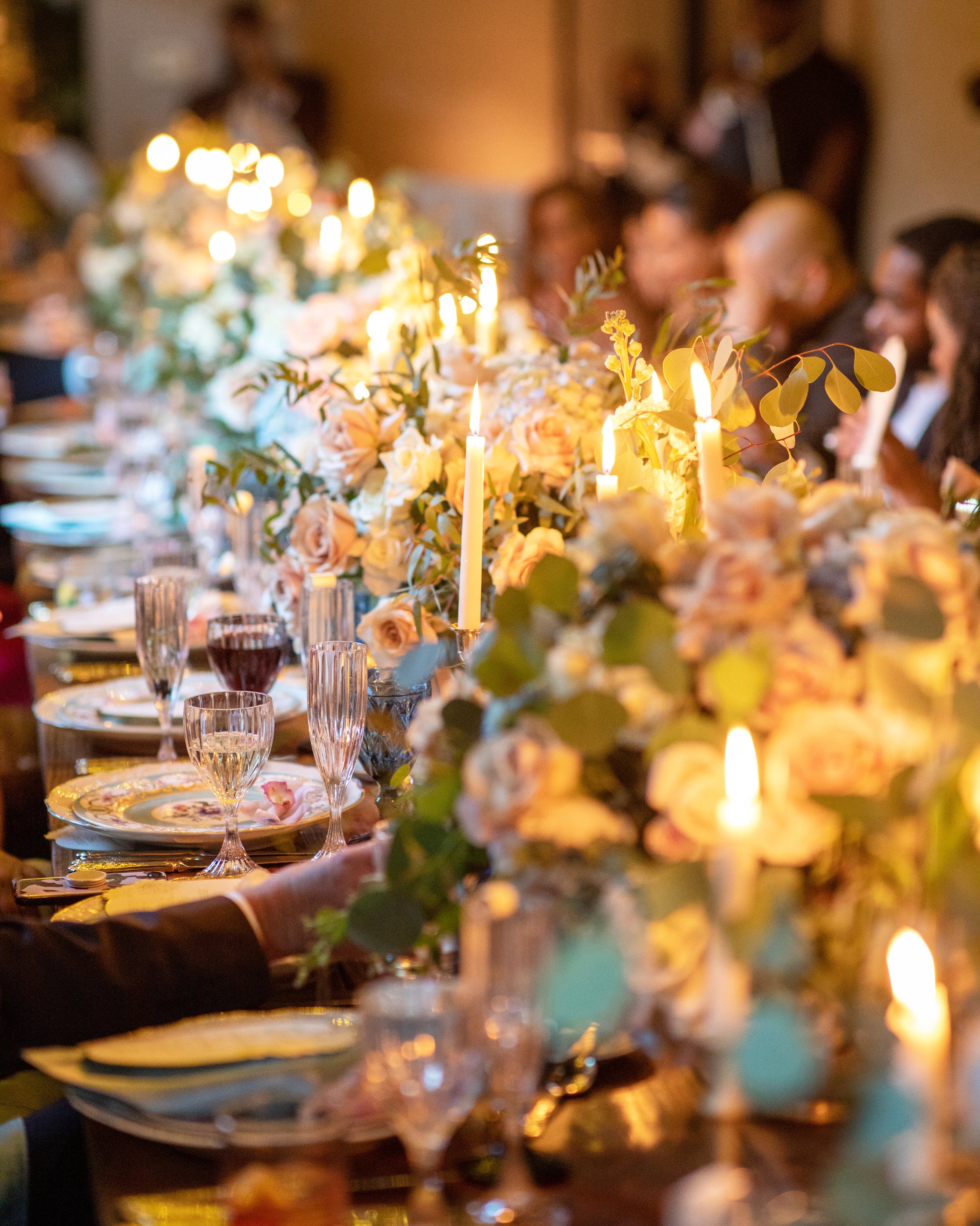
Design can make the evening feel distinctive through flowers, linens, menus and lighting. Keep arrangements in proportion to the table and preserve sightlines so guests can see one another.
A personal place card or a considered welcome note can communicate care. Gifts, if appropriate, should fit the relationship and be easy for guests to take home. Check relevant recipient policies before purchasing them.
Agree on photography expectations in advance. Some dinners benefit from a few discreet images; others call for privacy. Communicate the approach to the photographer and company team.
Decide how the evening will continue
Assign responsibility for a personal thank-you and any follow-up that guests requested. Keep approved photographs and communications consistent with the privacy expectations established for the dinner.
Afterward, ask the hosting team what they observed. Did guests have time to connect? Was the room comfortable? Did the format allow meaningful conversation? Use those observations to improve the next gathering.
Bring the details into one coordinated plan
A useful event brief includes the purpose, guest count, investment, venue requirements, host responsibilities, program, dietary needs and follow-up owner. It gives everyone contributing to the dinner a shared understanding of the experience.
Kesh Events plans and produces brand and corporate experiences, including client gatherings and executive dinners in Chicago and beyond. Our approach connects planning, design, production and hospitality around the people you are hosting.
Begin a Private Inquiry. Share your intended date, approximate guest count and what you want the dinner to accomplish.
