A wedding can bring together different cultures, faiths, languages, and family expectations. The opportunity is deeply personal: to create a celebration in which both of you recognize yourselves, and the people you love feel included.
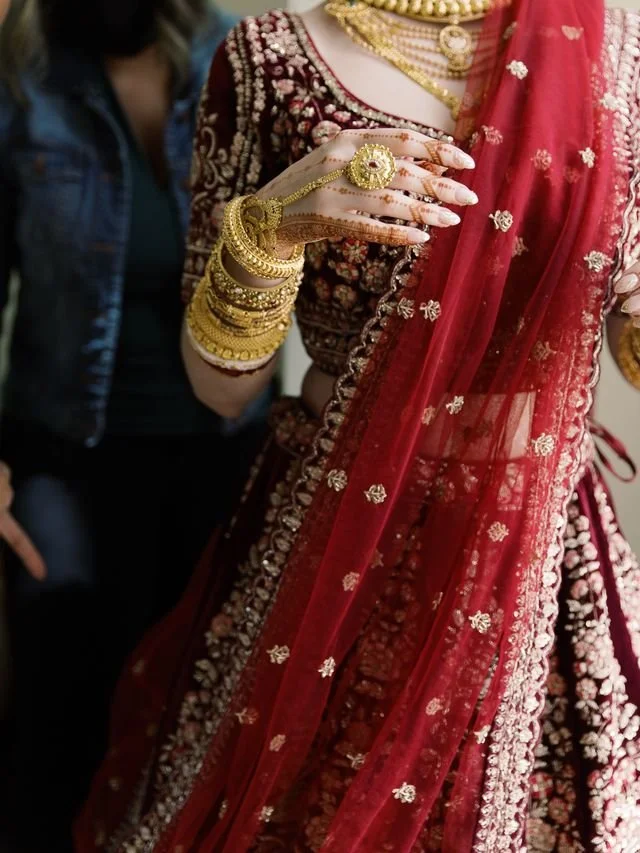
That begins with listening. At Kesh Events, cultural intelligence informs the planning process, from the first family conversations to the timing of ceremonies, menus, music, and guest communications. A thoughtful weekend gives meaningful traditions the context and care they deserve.
Begin with what matters to you
Before building the event schedule, each partner should identify the traditions they want to carry forward and explain why those moments matter. Some may be connected to faith. Others may honor parents, family history, or the place where you grew up. You may also want to introduce something entirely your own.
Make space for a conversation about priorities before asking relatives for their input. It helps to distinguish what is essential to you, what you are open to exploring, and what you have decided to leave out. Your planner can then help translate those priorities into a workable celebration.
Ask questions instead of assuming
People who share a cultural background may observe a tradition differently. Practices can vary by family, region, religion, and personal preference. Confirm the meaning, participants, sequence, and practical requirements of each ceremony with the couple, the relevant family members, and the officiants or cultural specialists involved.
A useful planning conversation goes beyond the name of a ritual. Who leads it? What needs to be prepared? What should guests understand? Are there clothing, photography, food, or timing considerations? Record the answers so every participating professional works from the same information.
Give each celebration room to breathe
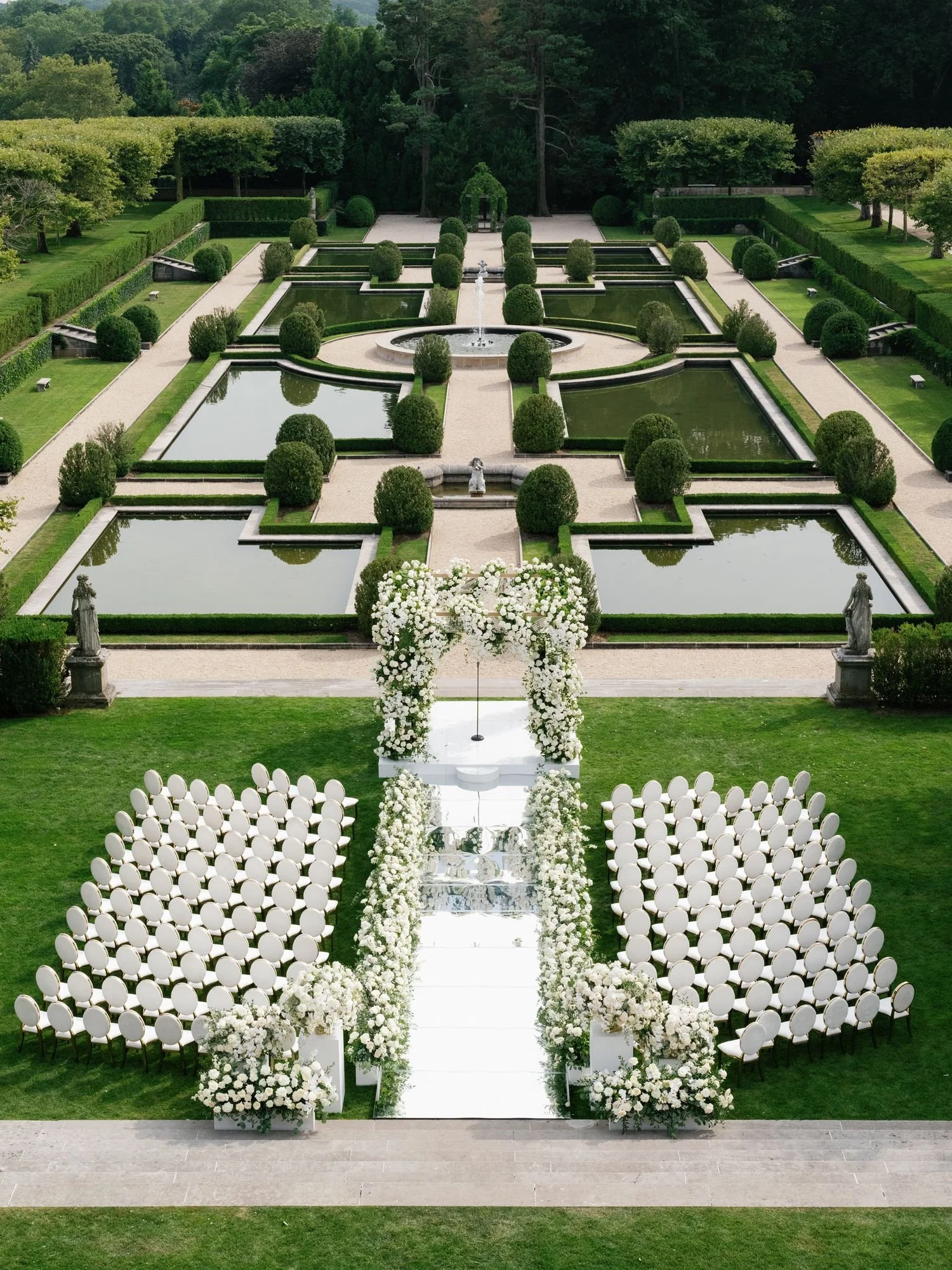
A weekend may include a traditional ceremony, a religious service, a welcome gathering, and a reception. The right structure depends on your priorities, guest list, and location. Some occasions deserve their own day. Others can sit together comfortably with enough time between them.
Build the schedule around real preparation and travel time. Clothing changes, hair and makeup, family portraits, transport, and venue resets all take space in the day. Protect time for meals and rest, especially when guests have traveled internationally or when older relatives are attending several events.
A full itinerary should still leave guests feeling cared for.
Help guests feel confident
Good communication allows people to participate with ease. Explain which events each guest is invited to, the dress expectations, where to arrive, and how transportation will work. If a ceremony includes unfamiliar traditions, a short program note or a thoughtful introduction from the officiant can offer helpful context.
Where language support is needed, plan it deliberately. Discuss translated information, bilingual hosting, or interpretation with the appropriate professionals. Ask the families what would be most useful rather than expecting a relative to translate throughout the celebration.
Bring culture into the whole experience
Food, music, and hospitality can carry family meaning throughout the weekend. Discuss important dishes with the caterer early, including who can prepare them well and how they will be served. Consider dietary requirements alongside the menu so every guest has a considered meal.
For music, share specific songs and pronunciation notes with the band, DJ, and master of ceremonies. Agree on who will introduce family members and important moments. If a cultural performance is planned, confirm its context, duration, and production needs with the performers.
Design can also reflect your story through color, textiles, flowers, and personal objects. Choose details because they mean something to you, and give each a thoughtful place in the setting.
Connect the family plan to the production plan
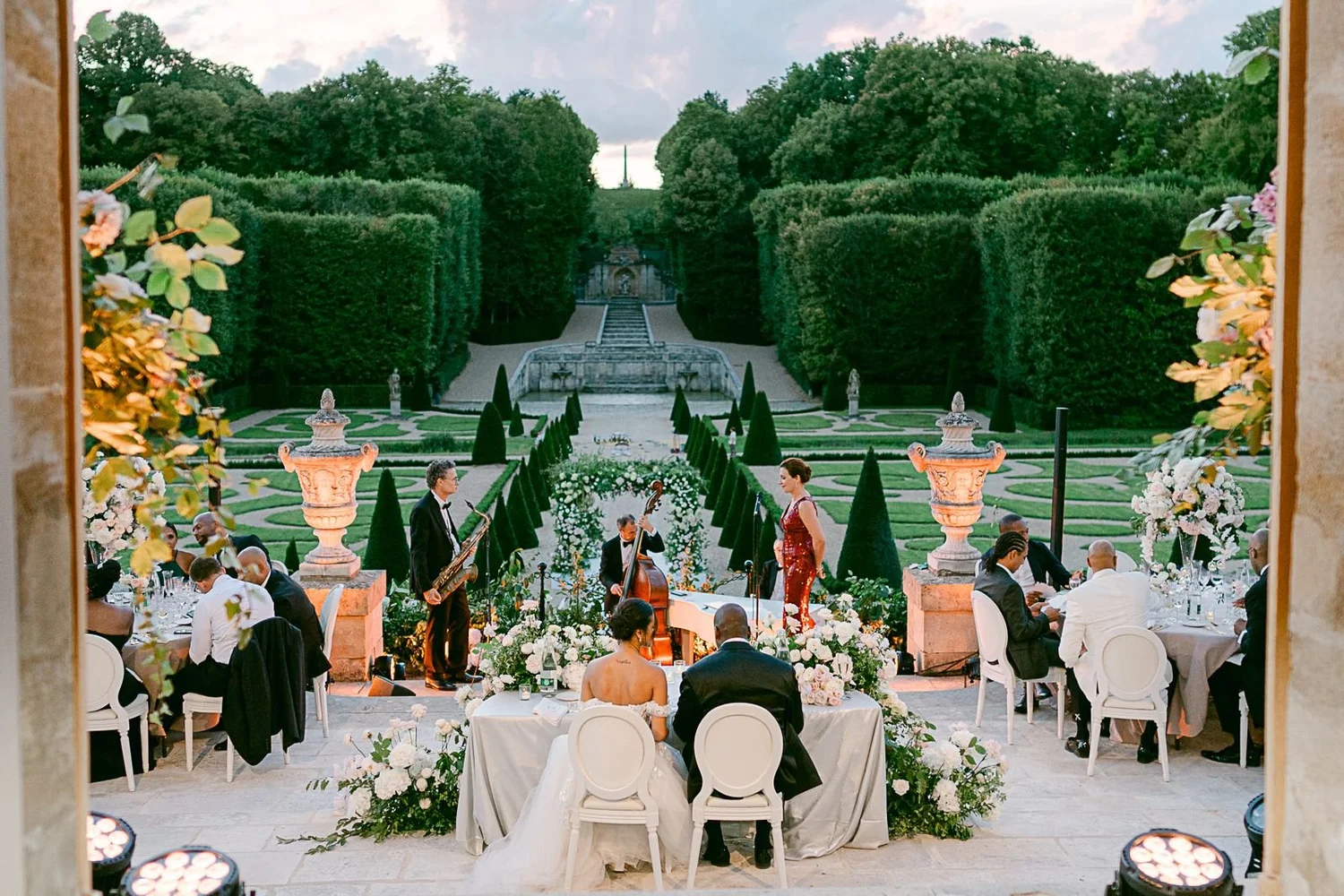
A meaningful ceremony needs an equally considered operational plan. Your planner should coordinate the requirements with the venue, catering, entertainment, photography, and production teams. That can include reserved seating, entrances, microphones, ceremonial objects, changing rooms, and the order of service.
Identify the people who can answer cultural or family questions before the weekend begins. A clear communication structure helps resolve details without drawing the couple away from their celebration.
Create a weekend that feels like yours
You do not need to represent every tradition in a single day. A well-planned multicultural wedding gives you the freedom to honor what matters, welcome your families, and enjoy the experience together.
Kesh Events plans, designs, and produces culturally considered weddings and multi-day celebrations in Chicago and worldwide. Tell us about your location, estimated guest count, and the traditions you would like to honor.
