Destination Weddings Are Becoming Destination Experiences
Lucy Munoz Photography
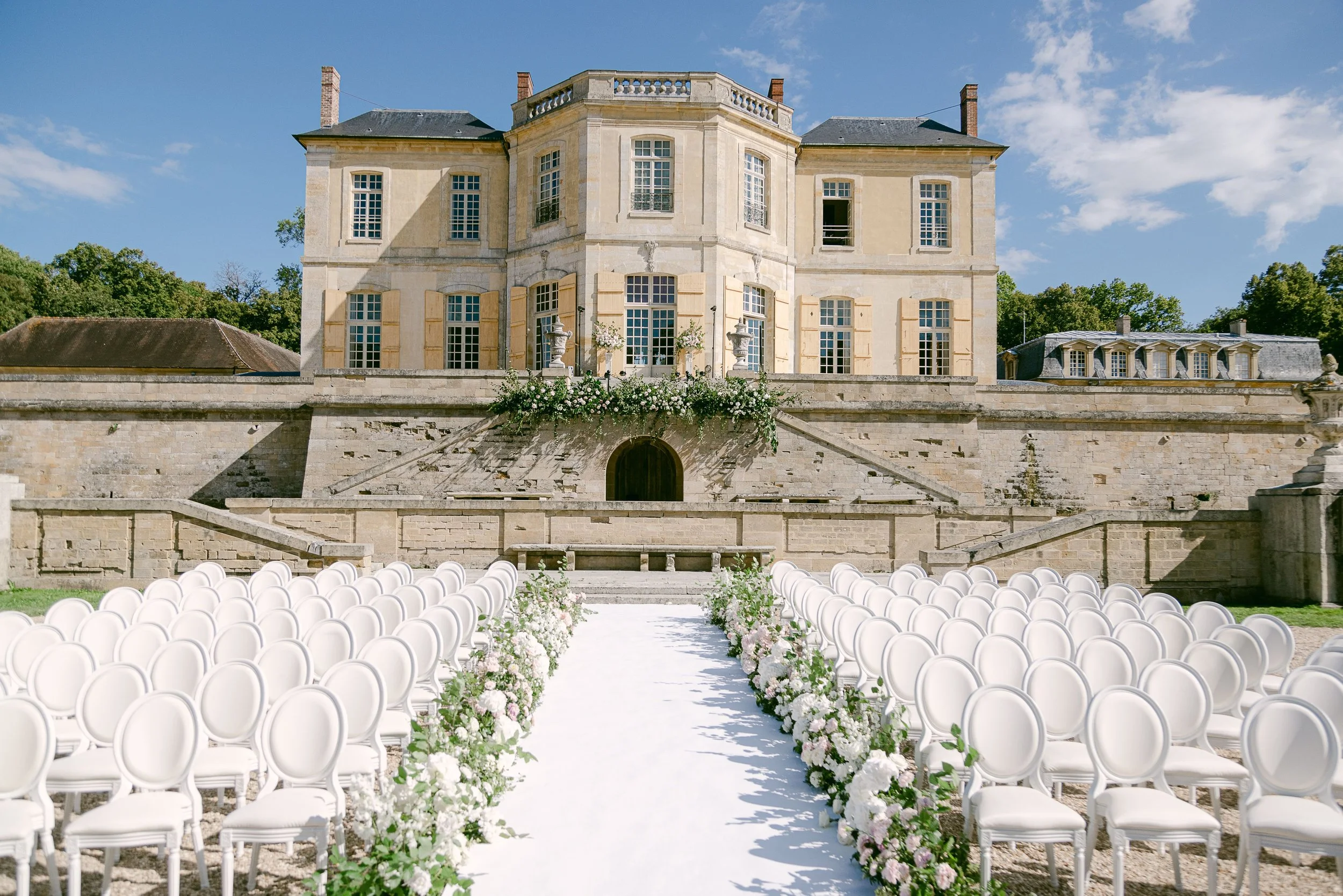
There is a difference between having a wedding in a beautiful destination and creating a wedding that could only have happened there.
For years, destination wedding planning has often centered on logistics.
Where will guests stay? How will they get from the airport to the hotel? What should go in the welcome bag? Where should they eat during their free time?
Those details matter. They are part of thoughtful hospitality.
But I believe the next evolution of destination weddings goes much further.
The destination itself becomes part of the celebration.
Photography by The Komans
Guests Want to Experience Where They Are
When someone travels across the country or around the world for a wedding, the experience begins long before the ceremony.
They are entering a different place.
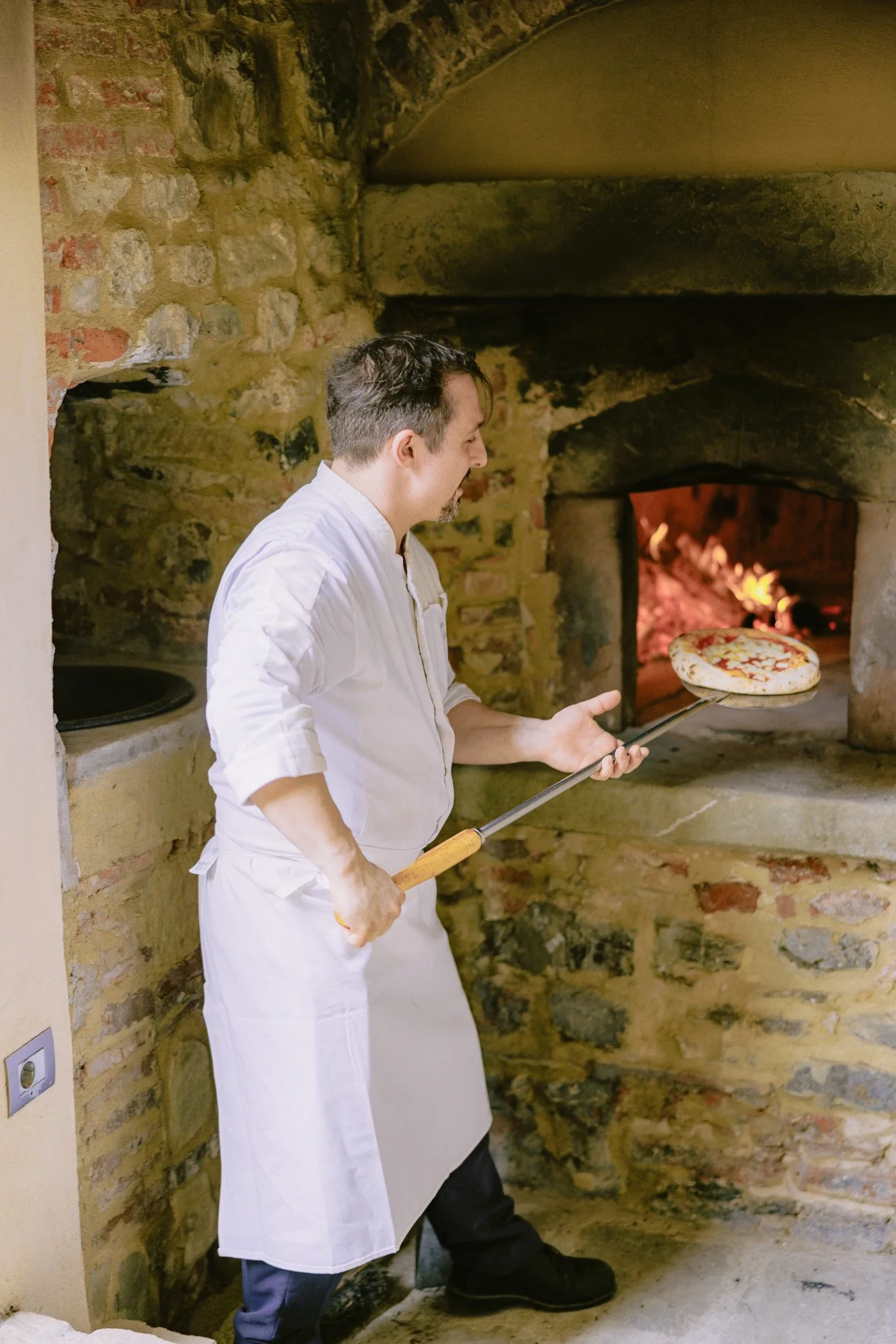
There may be food they have never tasted, traditions they have never experienced, architecture they have only seen in photographs and generations of local makers, artists and artisans whose work tells the story of that destination.
That creates an incredible opportunity.
Instead of simply giving guests a list of recommended restaurants or things to do, we can thoughtfully curate ways for them to experience the destination through the lens of the celebration.
Imagine a wedding weekend in Italy that includes a private visit with a local artisan.
A celebration in Portugal that introduces guests to the region through food and wine.
A wedding in Mexico that incorporates local craftsmanship into both the design and the guest experience.
A weekend in Chicago that allows guests to experience the city's architecture, neighborhoods, culinary culture and art rather than simply moving between the hotel and wedding venue.
These experiences do more than fill an itinerary.
They create context.
The Wedding Weekend Becomes a Story
The most memorable destination weddings have a sense of place.
The welcome experience introduces guests to where they have arrived.
The food reveals something about the region.
The design may reference local materials, craftsmanship, landscape or architecture.
An afternoon experience gives guests another perspective on the destination.
The wedding itself becomes the emotional centerpiece of a larger journey.
And by the time guests leave, they haven't simply attended a beautiful wedding.
They have experienced a place together.
That shared discovery becomes part of the memory.
What Does a Destination Wedding Guest Experience Include?
There is no universal itinerary. In fact, there shouldn't be.
The experience should be shaped by the couple, their guests and the destination itself.
Depending on the location, that might include:
Private cultural or architectural tours
Culinary walks and tastings
Chef-led dining experiences
Museum or gallery access
Visits with local artists and artisans
Wine, spirits or regional food experiences
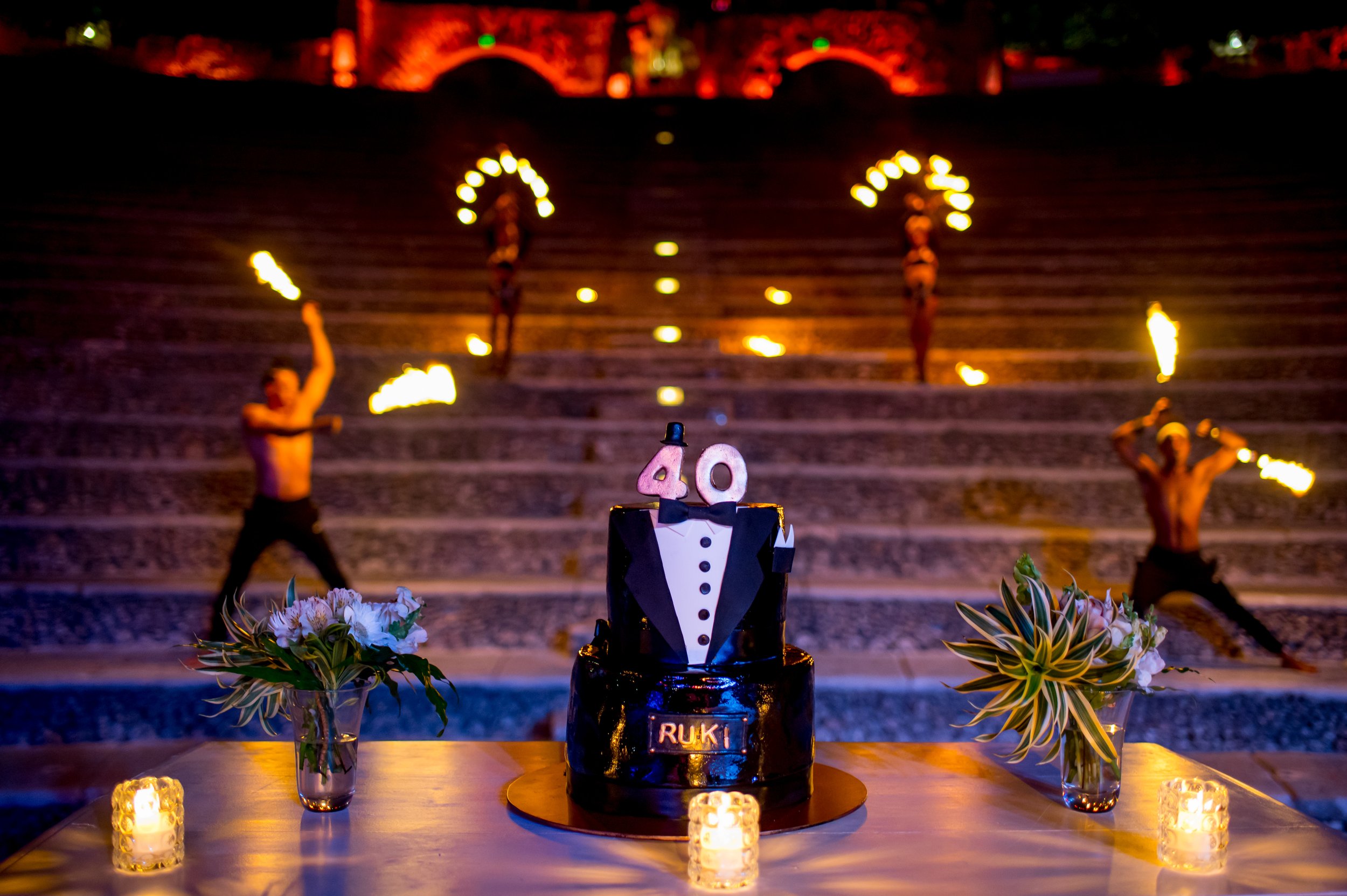
Experiences connected to local music or performance
Thoughtfully selected neighborhood recommendations
Locally made welcome gifts
Private excursions rooted in the landscape or history of the destination
The goal isn't to keep guests constantly entertained.
It is to choose a few experiences that make being there meaningful.
That distinction matters.
Local Culture Should Never Feel Like Décor
There is another important layer to this.
Creating a sense of place requires cultural intelligence.
Local traditions shouldn't simply become visual inspiration because they photograph beautifully. There is a difference between borrowing the aesthetics of a destination and genuinely engaging with its culture.
We want to understand the story.
Who makes this?
Why is this tradition important?
What does this food represent?
Which local businesses and creatives should be part of the experience?
How can we introduce guests to something authentic while respecting the people and culture it comes from?
Those questions lead to much richer celebrations.
They also allow destination weddings to create meaningful relationships with local chefs, artisans, cultural institutions, hotels, guides and independent businesses.
Hospitality Is Also About Anticipation
A beautifully curated destination experience still requires exceptional logistics.
Guests need to know where to be.
Transportation should feel effortless.
There needs to be enough breathing room in the itinerary.
Recommendations should be edited rather than overwhelming.
Different ages, mobility needs and interests should be considered.
And not every moment needs to be programmed.
Some of the best hospitality is knowing when to create an experience and when to give people the freedom to discover something on their own.
The objective isn't a packed schedule.
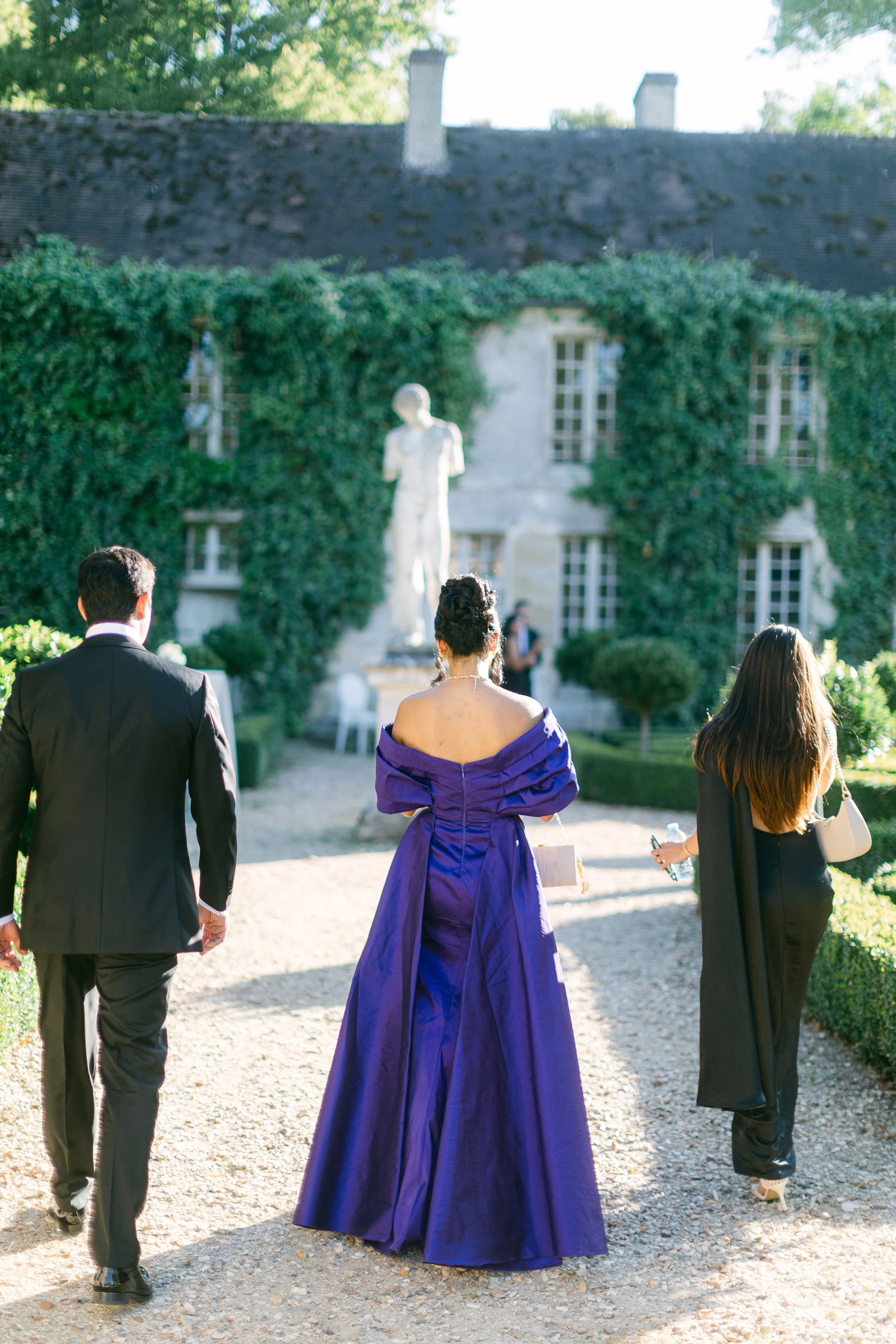
It is a considered journey.
Lucy Munoz Photography
The Destination Should Become Part of the Memory
When we begin planning a destination celebration, I don't only want to ask:
Where should the wedding happen?
I also want to ask:
What should guests understand, taste, discover and remember about this place?
That question changes the entire planning process.
Because ultimately, a destination wedding gives us something incredibly special: the opportunity to bring the people we love into a place and experience it together.
The destination shouldn't simply provide the backdrop.
It should help tell the story.
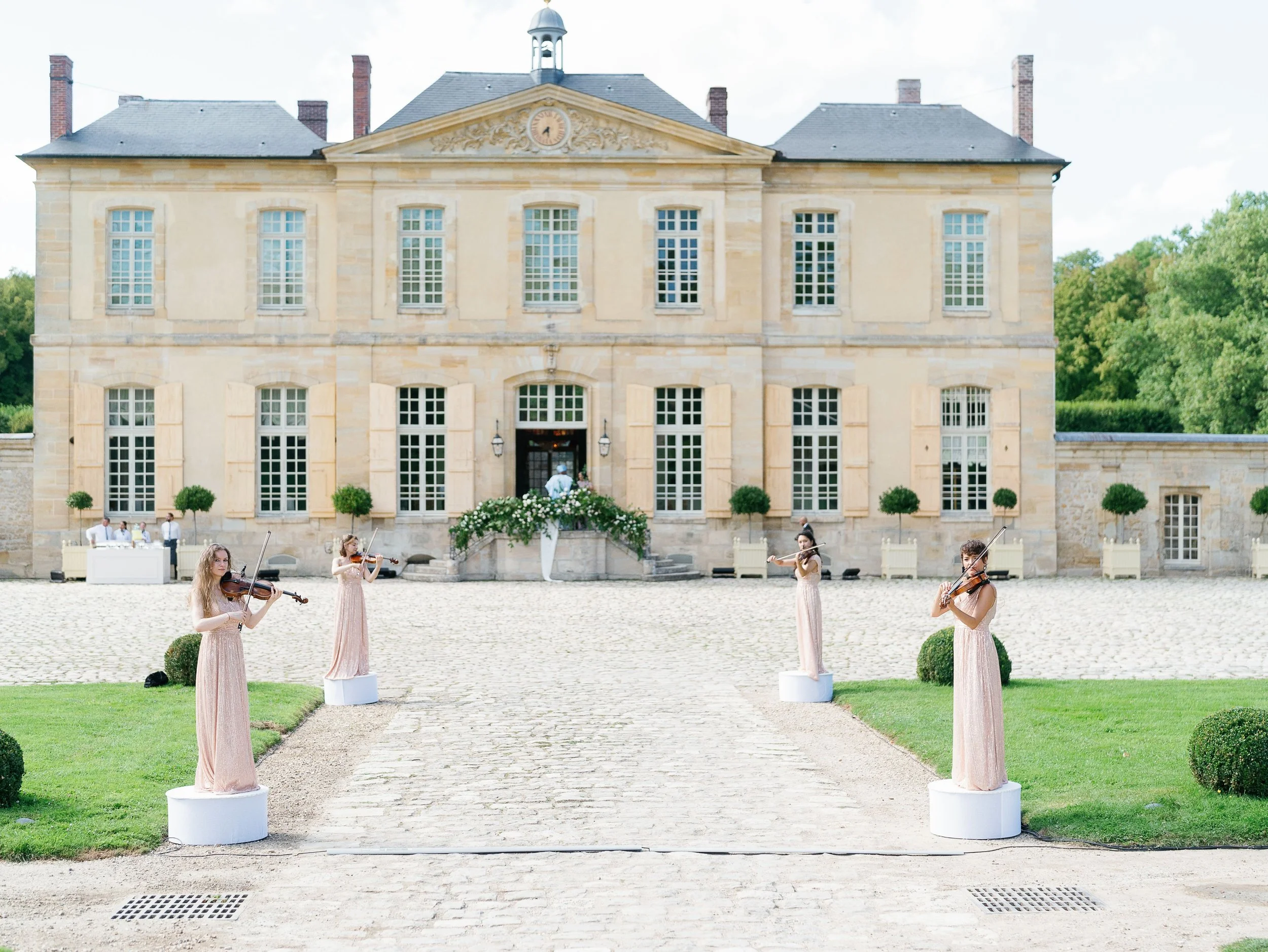
Lucy Munoz Photography
At Kesh Events, we create destination celebrations around the world with an emphasis on thoughtful hospitality, cultural awareness, intentional design and the complete guest journey.
Planning a destination wedding or multi-day celebration? Explore Kesh Events and our approach to destination celebrations at KeshEvents.com.
