Luxury Wedding Trends 2026 and Beyond: Why Guest Experience Matters More Than Ever
Luxury weddings used to be measured in numbers: guest count, venue square footage, how many blooms filled the room. That era is quietly ending. The couples defining luxury in 2026 are asking a different question entirely, not how big can this be, but how will it feel. From weekend-long celebrations to the quiet disappearance of the traditional wedding party, here's what's actually changing this year, and why guest experience has become the real measure of a luxury wedding.
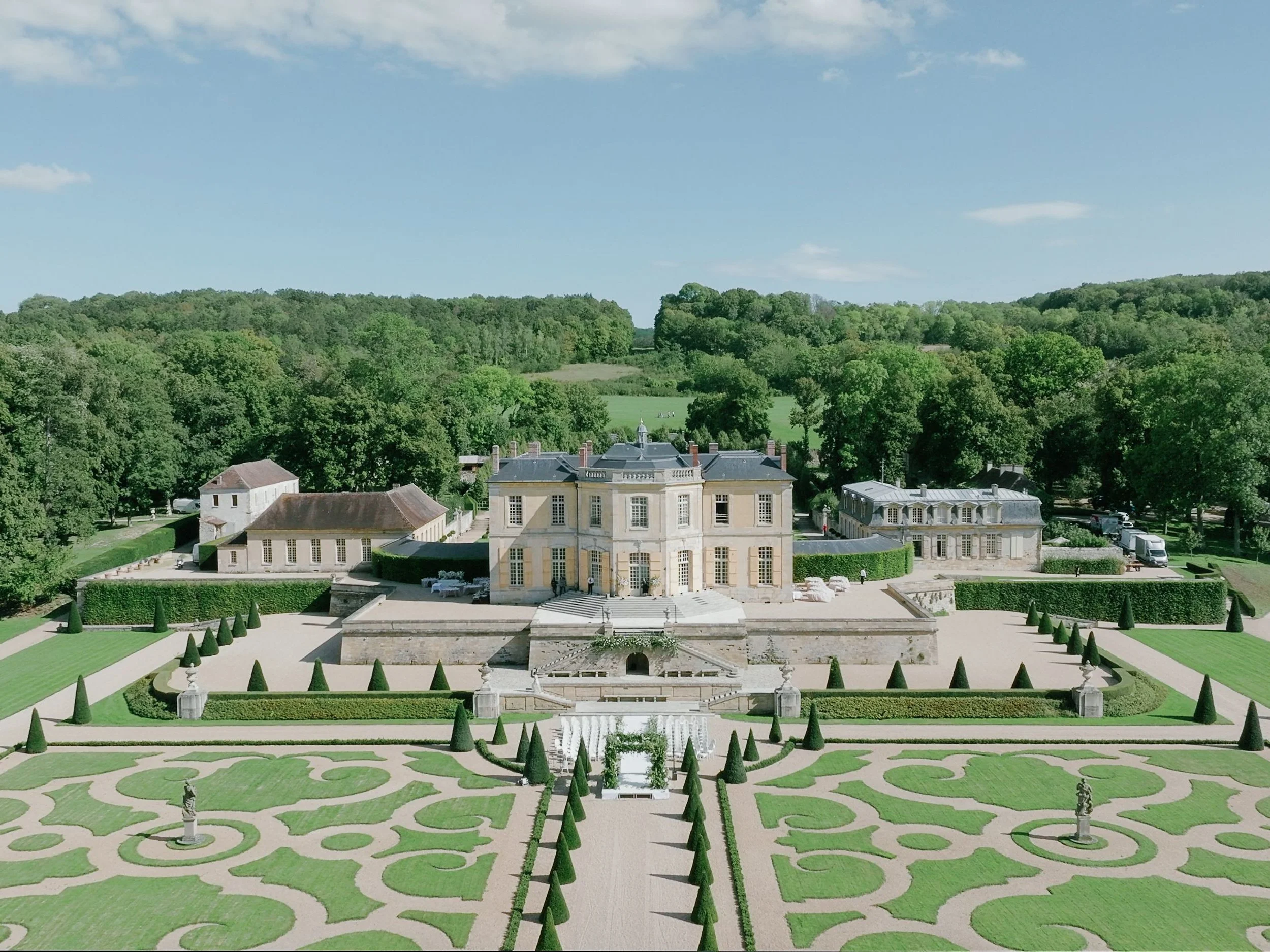
The defining luxury wedding trend for 2026 is guest experience design. Couples are moving away from bigger guest lists and more formal traditions in favor of smaller, weekend-long celebrations built around how every guest feels from arrival to send-off. If you're planning a luxury wedding this year, the question worth asking isn't how big the day should be. It's how memorable it will feel to the people in the room.
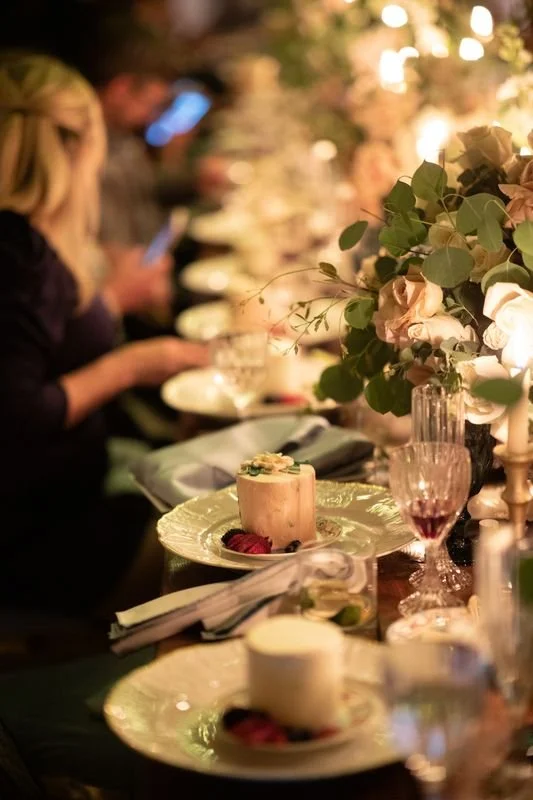
The shift: from guest count to guest experience
For years, luxury weddings were measured by scale. Guest count, venue size, the number of florals in the room. In 2026, that measure is changing.
Couples are choosing smaller weddings with a higher investment per guest. A 60-person wedding at $200,000 reads completely differently than a 200-person wedding at the same budget, and couples are noticing. That budget is going toward private estate buyouts, multi-course tasting menus, and personal touches that only work at an intimate scale.
This isn't about spending less. It's about spending on something guests actually feel.
Weekends are replacing single-day weddings
The one-day wedding is quickly becoming the exception, not the rule. Couples are designing full weekends, and the welcome party has become one of the most important events of the entire celebration, not a casual kickoff before the "real" day.
That means welcome parties now get their own lighting design, their own food and beverage concept, and their own guest journey. For couples planning a 2026 wedding, this is the detail worth building early: your guests' first impression now happens a full day before the ceremony.
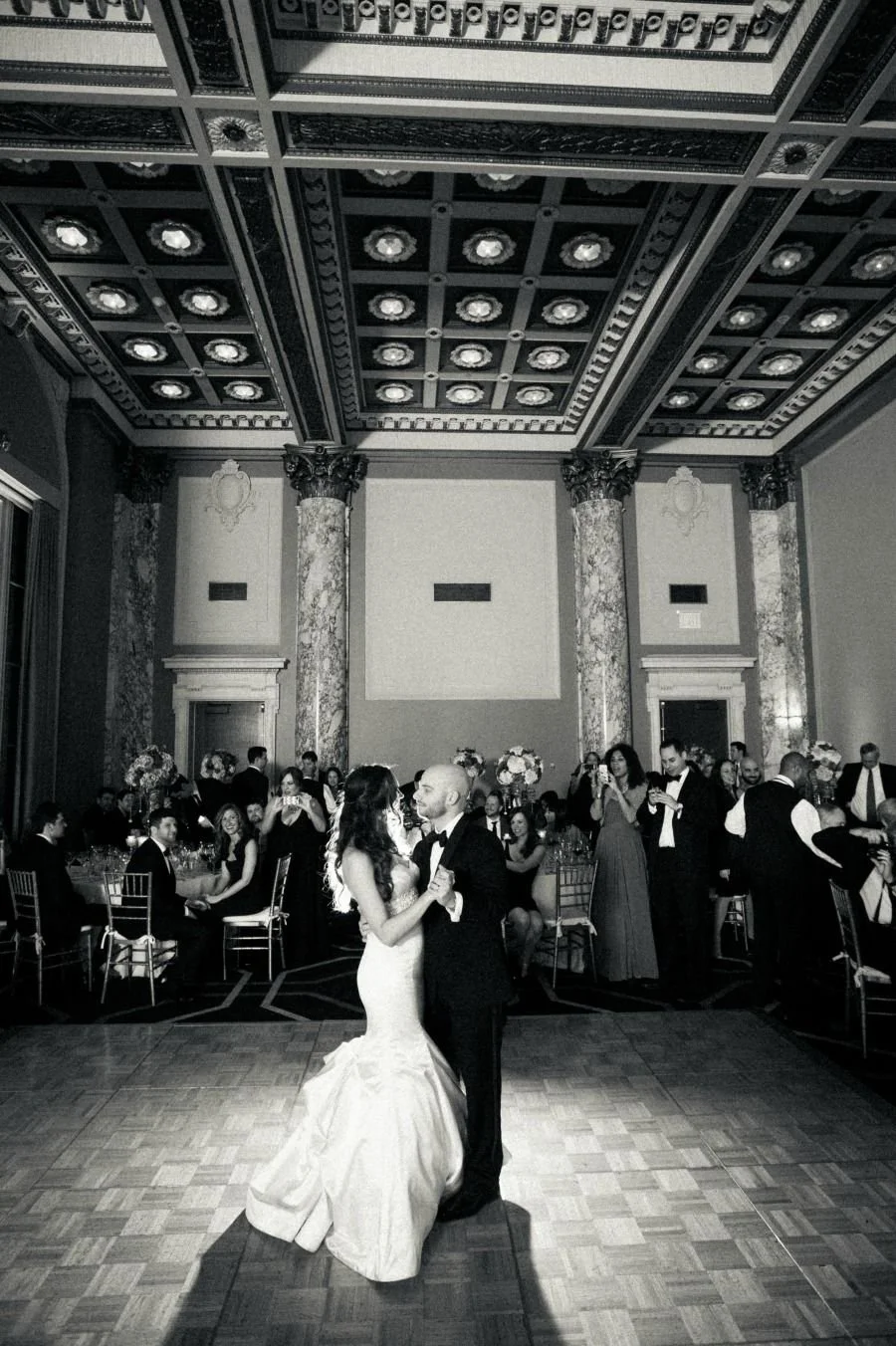
Wedding parties are getting smaller, or disappearing
Another notable shift: fewer couples are building a formal bridal party at all. Instead of a lineup of matching looks and assigned titles, more couples are choosing a small circle of "honored guests" with no formal role. It's a quieter, more personal way to bring loved ones into the day, and it changes how a planner approaches production, seating, and photography.
Design is moving toward organic, sculptural, and personal
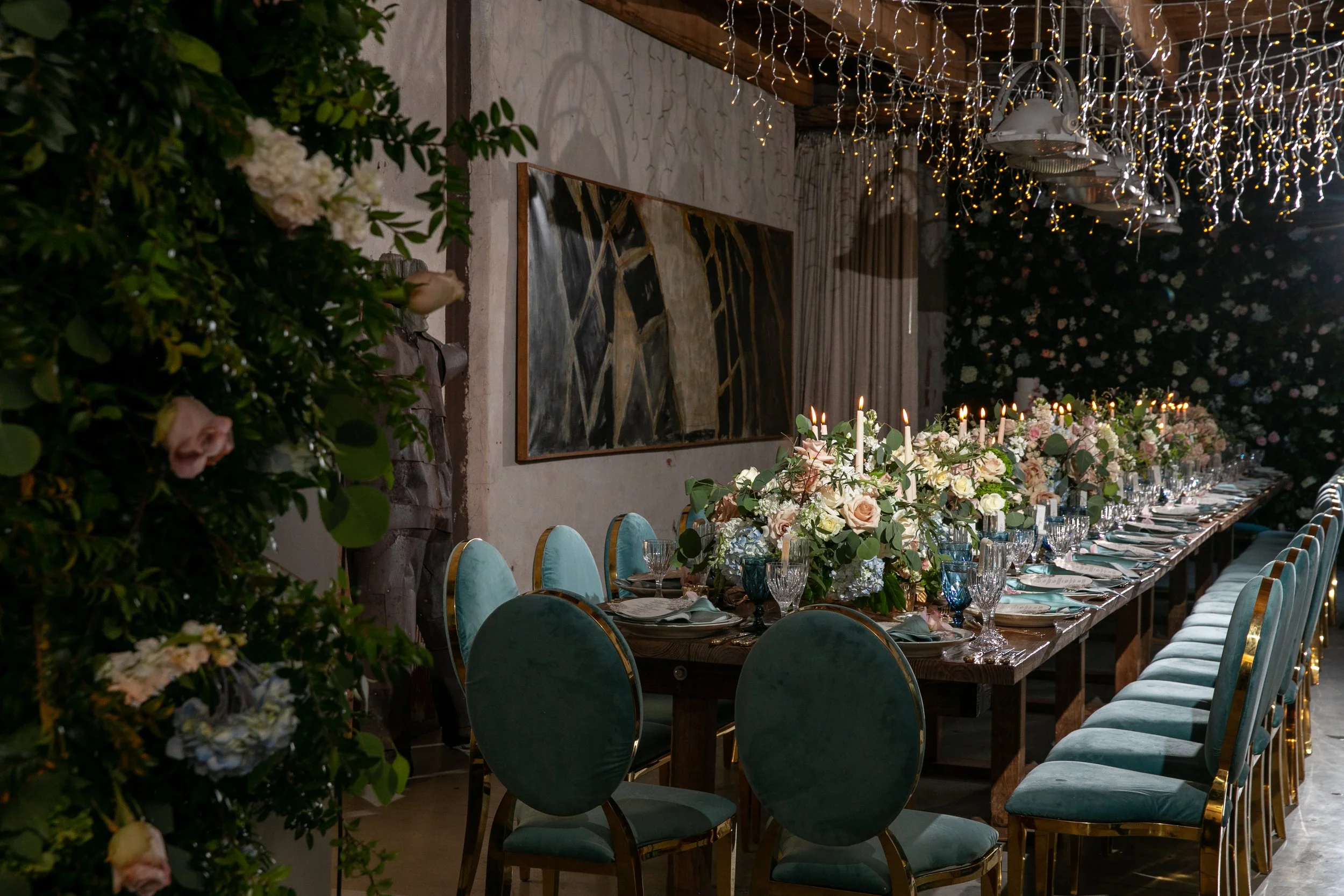
The minimal, neutral aesthetic that dominated the last few years is giving way to what's being called organic luxe: raw linens, sculptural floral installations, immersive lighting, and color palettes tied to a specific place rather than a generic trend. Sustainability has also moved from a nice-to-have to an expectation, with seasonal and local florals, thoughtful travel planning for destination guests, and heirloom or rewearable bridal fashion becoming the norm rather than the exception.
You don't need a passport for a destination-caliber wedding
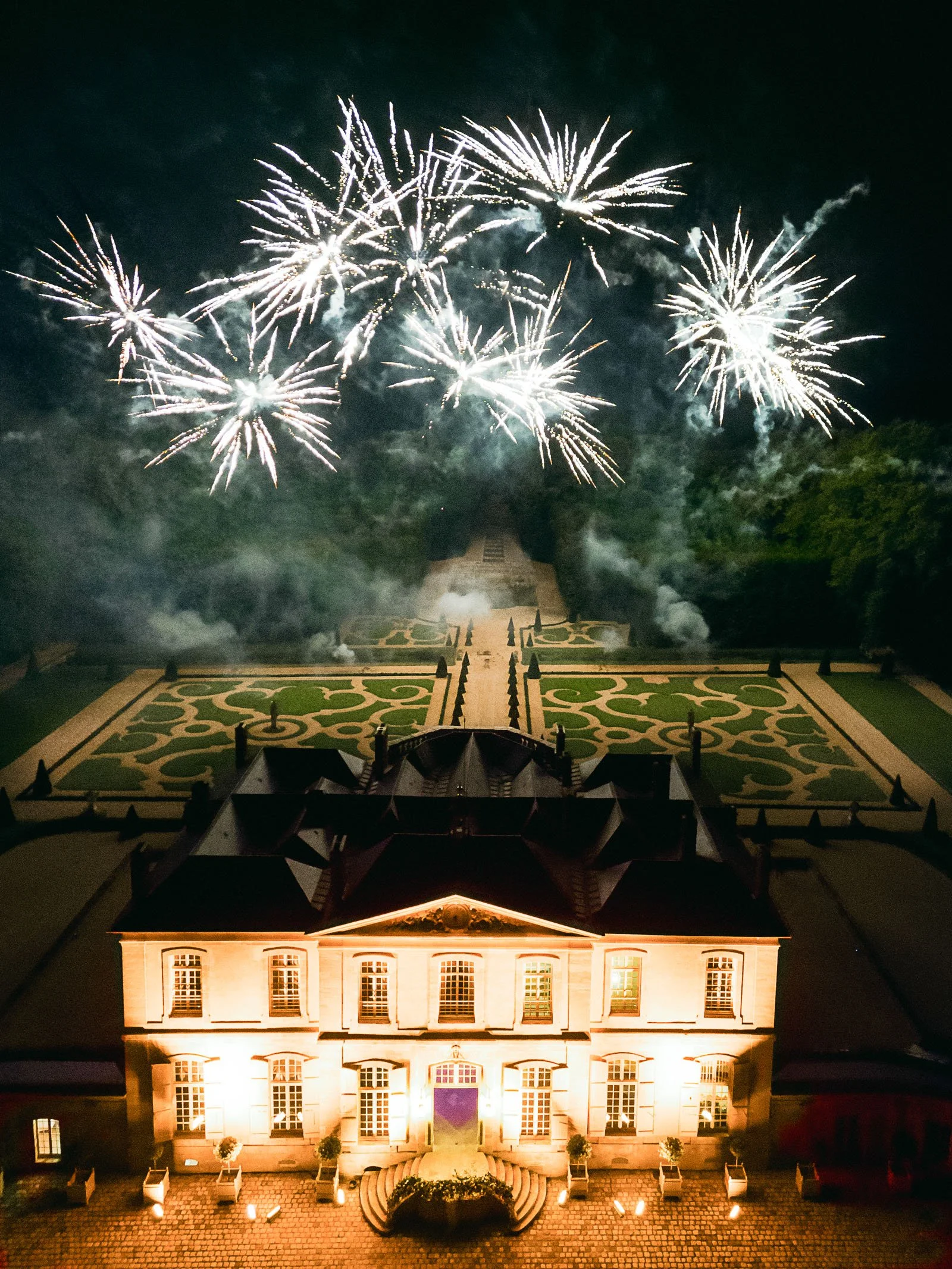
One of the most useful trends for couples planning in the Midwest: domestic estate venues are increasingly delivering the visual and experiential feel of a European destination wedding, without the travel logistics. A private estate with the right design direction can read exactly like a villa in Provence, at a fraction of the planning complexity for out-of-town guests.
What this means if you're planning a 2026 wedding and beyond.
Start with the guest experience, not the guest list.
Before finalizing numbers, decide what you want every guest to feel from the moment they arrive. That decision should shape the venue, the schedule, and the budget, not the other way around.
Treat the welcome party as its own event.
If your celebration spans a weekend, the welcome party deserves the same design attention as the ceremony and reception.
Choose fewer, more meaningful traditions.
Skipping the formal bridal party, a seated dinner instead of a buffet, a signature cocktail instead of a full bar: 2026 luxury weddings favor a handful of intentional choices over a checklist of expected ones.
Frequently asked questions
Is a smaller guest list still considered luxury in 2026?
Yes. In fact, a smaller guest list paired with a higher investment per guest is one of the clearest signals of a 2026 luxury wedding. The trend is about depth of experience, not size of the event.
Do luxury weddings still need to be destination weddings?
Not necessarily. Domestic estate venues are increasingly delivering the same visual and experiential impact as international destinations, without the added travel logistics for guests.
How does Kesh Events approach guest experience design?
Every celebration we design starts with one question: how do we want each guest to feel the moment they walk in? The venue, florals, and production all follow from that answer.
At Kesh Events, we design destination weddings around the world with a focus on exceptional hospitality, meaningful guest experiences and thoughtful celebration. From selecting the ideal destination and season to orchestrating every detail of the wedding weekend, our team creates celebrations that are as effortless as they are unforgettable.
Explore our wedding planning services or contact us to begin planning your celebration.
