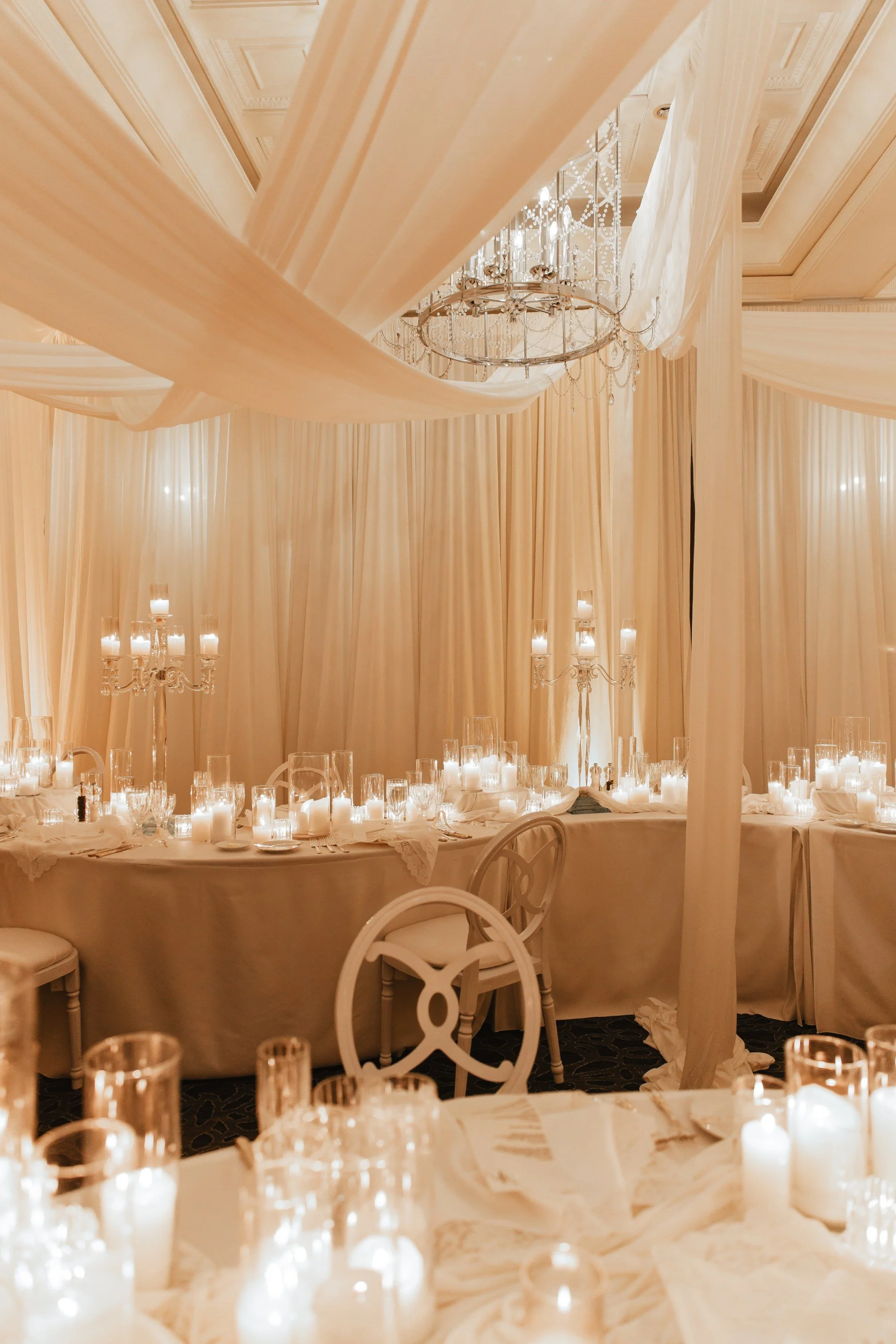
A private dinner should make it easy to arrive, settle in and speak freely. Thoughtful planning connects the setting, service and guest experience.
Executive dinner planning begins with the conversation you want to make possible. A leadership gathering, a client dinner and an evening for prospective partners each ask something different of the room. Before choosing flowers or a menu, define who is coming, why they are gathering and what a successful evening should feel like.
For a private executive dinner in Chicago or another destination, that clarity shapes every decision. Privacy, comfortable conversation and attentive hospitality belong in the planning brief from the beginning.
Choose a room that supports private conversation
A room described as private may still share an entrance, coat check or service corridor with a busy restaurant. Ask where guests will wait, whether other diners can see into the space and how sound travels through doors or partitions. Visit during a comparable service period when possible.
Consider the table as carefully as the room. Guests should be able to hear one another without leaning across oversized arrangements. A long table may suit several conversations; a smaller configuration may better support one shared discussion. Confirm accessibility, restroom proximity and comfortable circulation with the venue before committing.
Plan arrivals with the same care as the dinner
Send concise directions that explain the correct entrance, parking or car arrangements and the name of the person greeting guests. If a hotel has several restaurants or meeting spaces, include the specific destination. A guest should be welcomed personally rather than left to ask a crowded reception desk where to go.
Agree on how early arrivals will be hosted and how a late arrival can join without interrupting the table. For winter dinners in Chicago, allow for coat handling and weather-related travel delays. These ordinary details are often what make an evening feel calm.
Set expectations for guest information and photography
Ask the host what may be shared before, during and after the event. Decide who needs the guest list, whether names appear on signage and whether photographs are welcome. Communicate the agreed boundaries to the venue and creative team rather than assuming everyone has the same understanding of discretion.
If photography is part of the brief, consider photographing the setting before guests arrive. Any guest images or social posts should follow the host’s stated permissions. A beautiful dinner does not need to become a public record of everyone in the room.
Planning an executive or client dinner? Kesh Events brings venue strategy, design and guest experience into one considered plan. Begin your private dinner inquiry.
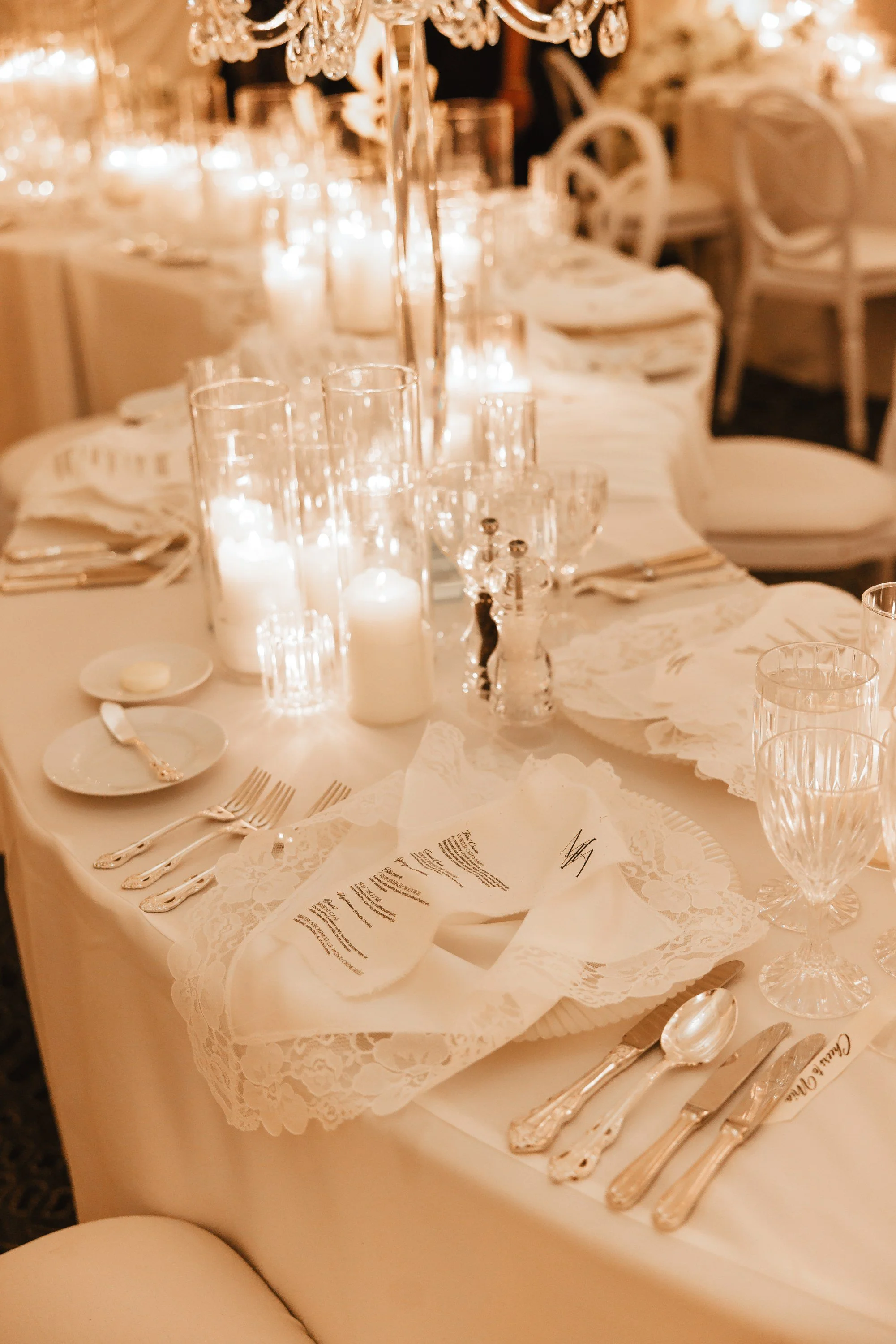
Let the service protect the rhythm of conversation
Share the intended flow with the catering captain. A short welcome may belong before the first course; a sensitive discussion may need an uninterrupted interval. Confirm how the team will signal that service should pause, and who can make timing decisions on the host’s behalf.
Collect dietary requirements privately in advance and agree on how alternatives will be served without drawing unnecessary attention. Offer a considered alcohol-free choice alongside wine or cocktails. Guests should feel equally well hosted whichever they choose.
Use design to create comfort and connection
Choose lighting that allows guests to see faces and read the menu. Keep florals below sightlines or position taller pieces away from the conversation. Test music from a seated guest’s perspective; a soundtrack that feels atmospheric during setup can compete with voices once everyone arrives.
Branding can be restrained and still purposeful. A menu, a thoughtful welcome or a meaningful detail connected to the host may say more than repeated logos. Explore our brand and corporate experiences for the approach behind these gatherings.
Finish with an easy departure
Confirm coat retrieval, cars and any follow-up arrangements before the last course. Assign one point of contact to reconcile venue questions so the host can remain with guests. Afterward, share only the materials and photographs agreed in the brief.
What should an executive dinner planning brief include?
Include the purpose, guest count, preferred date, location, investment range, accessibility and dietary needs, room privacy, photography expectations, service rhythm and final decision-maker. Flag unresolved questions so the planner can help evaluate them.
For an evening shaped around your people and priorities, inquire about planning with Kesh Events.
